- Connecting Laser Science Across Europe
Advancing Excellence in
Laser Medicine
cutting-edge research, world-class training, and exclusive networking opportunities.
Why Join ELA?
The European Laser Association (ELA) is a non-profit organization that acts as a democratically governed umbrella for various European associations, as well as other international medical-surgical associations interested in laser technology, other light-based systems, and energy-based devices with the same purpose.
Our main objective is to provide an effective platform for the exchange of knowledge and to promote collaboration and mutual understanding between clinical and scientific disciplines across different countries of the European Union, while also allowing membership from countries outside the European Union that share the same interest.
Individual members of the corporate organizations are, in turn, members of the ELA, bringing the total membership to more than 500 members.
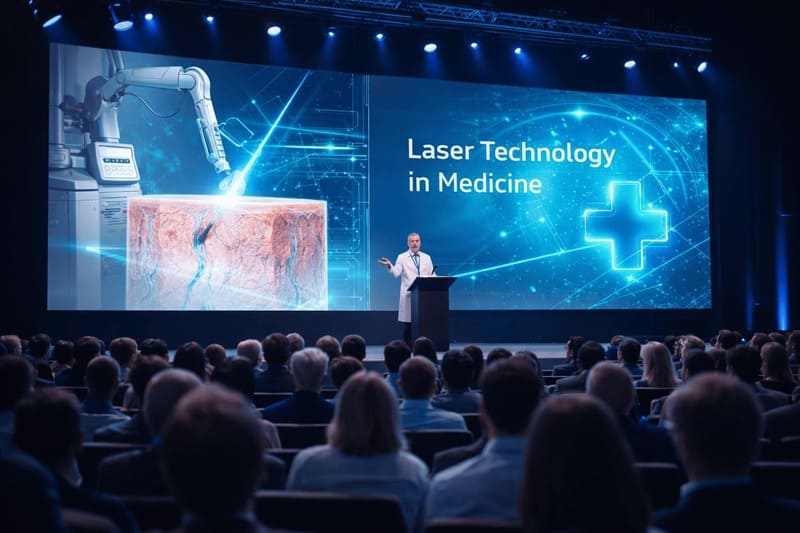
Why belong to the ELA
Exclusive community
The ELA brings together the most outstanding professionals in laser medicine from Europe and around the world. Being part of this community means gaining access to a select environment where knowledge, clinical experience, and technological advances are shared with internationally recognized experts. It is a space designed for those who seek to remain at the forefront of evidence-based medical practice.
Advanced training
The association provides high-level training programs that are continuously updated and closely aligned with real clinical practice. Courses, workshops, certifications, and hands-on sessions allow professionals to gain in-depth knowledge of new technologies, improve clinical outcomes, and ensure the highest standards of patient safety. The ELA represents a benchmark of academic excellence in laser medicine.
Professional recognition
Being a member of the European Laser Association enhances professional prestige and visibility within the medical field. ELA membership reflects a strong commitment to quality, scientific advancement, and responsible clinical practice. It also provides access to opportunities for collaboration, research, and part